For quick contact: +90 532 288 2200


Compare knitted and woven fabrics on usable width, finished length and cutting yield. Build a request for quotation your supplier can price against.
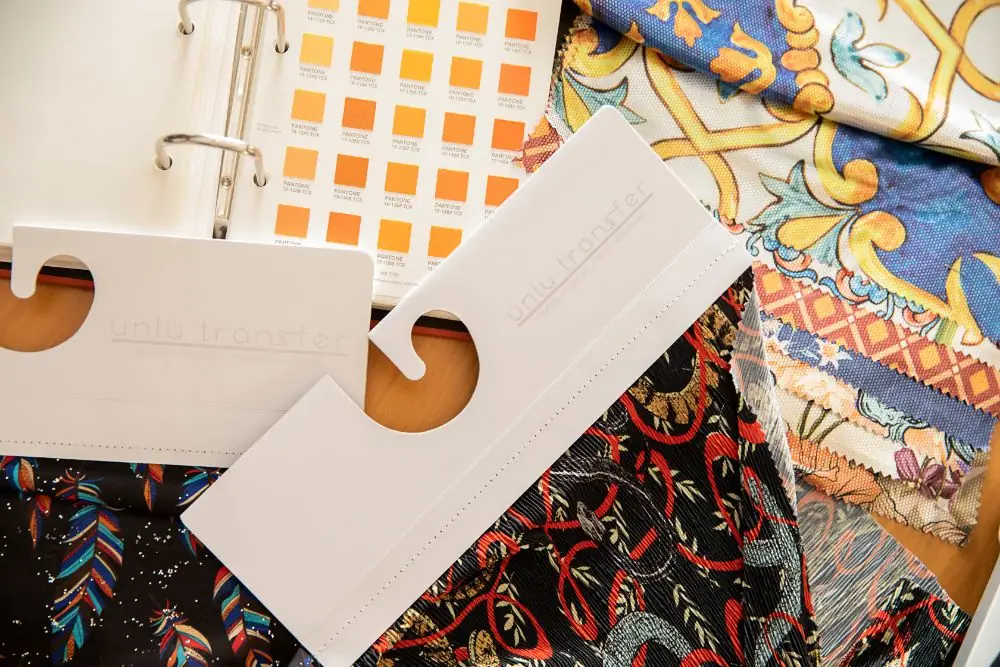
A fabric buyer receives two quotations for the same nominal meterage. Both descriptions look suitable and one price is lower. The cutting room opens the samples and finds that only one gives the width needed for the current approved production pattern layout. That difference can outweigh a small price advantage, especially if the fabric has a one way print or the order is split into several dye lots. Good fabric sourcing begins with a description of what will be cut, worn or installed. A useful request for quotation makes the intended application, sample approval and measurement point visible to everyone from the supplier to the cutting supervisor.
Write down what the product has to do in service. For a woven shirt, the collar, cuff and front placket should hold the outline set during fitting. For a knitted top, stretch and recovery can matter near the neckline, across the chest and during sewing. A curtain buyer might first check how folds hang in daylight and how the fabric looks when backlit. Include the expected care routine, lining choice and whether the face of the fabric will remain visible at a hem or opening. A sample in the right weight can still behave differently after pressing.
Knitted fabrics get much of their behaviour from the loops, yarn selection and finishing. The direction of stretch, recovery and curling at the cut edge should be considered alongside fibre composition. For woven fabrics, identify the warp and weft directions and confirm the structure if it matters to hand, opacity or seam performance. Two fabrics with the same fibre percentages can feel and handle differently. Send a physical reference when you can. Show which face it represents, the orientation you expect and the property you are trying to match. For examples of the relevant services, see Ünlü Group’s fabric sourcing and dyeing page.
State the product, fibre composition, preferred knit or weave, finished mass per area, minimum usable width, colour reference and required finish. Mention nap, stripes and other direction constraints that affect the marker. If some properties are open, identify the choices the supplier can propose. A requested fibre blend and a target hand may leave room for more than one structure. A fit requirement may call for a specific stretch direction, minimum width or care outcome. Mark any property that requires a physical approval or laboratory report and say who signs it off. Share the same version of the brief with each prospective supplier so they price the same work.
Keep nominal dimensions and acceptance limits in separate fields. A width shown as 150 cm with a tolerance can result in lots with usable measurements below 150 cm. If the actual marker needs that width at every usable point, state the relevant minimum precisely. Record order units and identify the stage for each quantity. Greige input, dyed output and fabric finished after printing can have different lengths and widths. Ask suppliers to confirm which of those conditions they quote, what tests they use and at what point they measure. Add roll length preferences, handling limits and how you expect defects and joins to be marked.
Total width describes the span of the fabric as measured. Usable width describes the region your pattern can occupy under the agreed cutting conditions. Selvedges, pin marks, curling or unprinted margins can reduce it. Use a method that reflects the relaxed or handled condition specified for the fabric and record whether the edges were included. Take measurements in different places where your acceptance plan calls for them. A cutting trial can reveal whether an edge that passes visual inspection still pulls the usable area out of shape in spreading. ASTM D3774 describes methods for measuring textile fabric width. Agree separately on any excluded zones and the minimum usable measurement for your project.
Mass per unit area tells you how heavy a known area of the finished fabric is. ASTM D3776/D3776M addresses measurement of fabric mass per unit area. A roll estimated at 160 g/m² and averaging 1.50 m across the full weighted width comes to about 240 grams per linear metre. In that example, 24 kilograms of fabric represents about 100 metres. Packaging has its own mass and rolls may vary in width and weight. When suppliers quote by kilogram, request net fabric weight and verified roll lengths before you plan a fixed quantity of cut parts.
A swatch lets buyers discuss the surface, weight and colour family. A larger piece gives the sample room enough fabric to sew, press and check how it hangs. A full width pilot can show the true edge condition and support a representative marker layout. Tie these approvals to sample identifiers. The order record can include a swatch reference, the pilot roll or lot number, the finish used and the date on which the sample was reviewed. For printed work, include the artwork revision and the approved print face. Keep an approved physical piece where incoming goods will be inspected and agree which counterpart the supplier keeps.
For a washable article, review width and length separately after the planned care procedure. ISO 5077 covers how to determine dimensional change following specified washing and drying procedures. The care sequence and acceptance range should come from the requirements for that product. If colour consistency matters, compare the approved and incoming pieces under the same agreed light, with the faces oriented alike. Repeat sewing or pressing checks when an alternative finish is proposed.
When sourcing digitally printed fabric in bulk, ask manufacturers to quote two options. In one, the supplier provides the cloth and prints it. In the other, the buyer supplies the fabric and pays for printing and agreed finishing. Tell the fabric printing team whether you are sourcing a printed stock lot or made-to-order production. Hold fibre content, fabric weight, artwork version, usable width and finished metres per colourway constant. Check the match between fibre and process with the fabric printing and sublimation guide. Apply the full width check from the artwork and repeat guide to a printed sample on the production fabric.
Even with one supplier coordinating the work, confirm which operations and samples sit within the quoted price. With multiple suppliers, record custody, quantity and the measurement method at each handover. Name who will check after dyeing, after printing and after the final finish where those stages apply. If pilot meterage is drawn from the order, account for the reservation when discussing delivered quantity. For fabric pleating by the metre or fabric lamination, agree when to measure finished dimensions, who approves a change and when a new sample is needed. That decision belongs in the order record before the mills reserve the production lot.
Assume a garment order needs 280 usable metres. Two suppliers quote 300 metres at the input stage. In the illustrative pilot, fabric A loses 2 percent in length through the specified finish and fabric B loses 3 percent. That yields 294 and 291 finished metres. Reserve another 8 metres from each for sampling, checks and planned cut exclusions. The working balances are 286 metres for A and 283 metres for B. Both pass the initial length check. Use measured pilot evidence and the actual roll conditions to set the factors for the real order. Account for each loss once, particularly when the finishing quote already excludes the length used for trials.
The pilot then shows 150 cm of usable width for A and 144 cm for B. Two approved pieces need 148 cm together, including allowances and minimum spacing. A permits them side by side. B requires a different layout. A cut planner can try turning one pattern when the grain and design allow it, or calculate an alternative layout with the same orientation when they require it. Compare the resulting garment counts at the planned size ratio. Recalculate the cost of enough delivered fabric to reach the same number of garments, including any priced finishing and logistics.
Record the currency, quoted unit, relevant quantity band and period of validity. Keep base material, sampling, printing or dyeing, packing and carriage visible as separate lines where the offer allows. Mark which charges already sit inside a unit price and which apply once. Ask when the lead time starts. A supplier can count from the order acknowledgement, release of greige fabric or signed pilot approval. A partial delivery is only useful to the cutting room if enough matching rolls arrive to complete a scheduled lay. Get the proposed shade lots and shipment sequence before booking the room, particularly when the same model will be cut on two lines.
Match the dispatch list to roll labels and note order code, lot, colour, net length and any agreed width information. Inspect selected rolls under the measurement and defect procedure agreed for the job. Record the roll number and position if you find an issue that affects cutting. Have the sample room or quality team compare questionable rolls with the approved piece before spreading. When two shade groups are acceptable separately, label them for the cutting room. Keep garment panels in the same approved group when the product requires it. An accurate total on the delivery note cannot show how a short roll, splice or long defect will affect a planned lay.
After the run, record meterage released to cutting, pieces produced and material left by shade group. Keep disposition of returns, reserved samples and rework visible. If the order repeats, use the written consumption and the original marker revision to estimate the next quantity. Recheck the layout if the size mix, pattern or nap requirement changes. When you have two potential sources, run their pilots with the same pattern selection and record the outcomes next to each other. That gives planners a basis for deciding whether a later delivery from either source can join an existing order or should be scheduled as a distinct cutting batch.
We are sourcing a woven base for a lightweight shirt. Please state the fibre composition and weave. We will supply a physical colour reference. Our finished target is 160 g/m², with a range of 150 to 170 g/m² and a minimum usable width of 150 cm. We need 280 usable metres for the first cut. If your quote starts at greige or unfinished length, show the input and estimated finished quantities separately. Please offer a swatch and a full width pilot in the same construction and finish. We will check the face, width and length after the agreed care procedure and confirm the production date once the pilot has been approved.
Show the price unit, quantity breaks, sample cost, cost of any finishing and delivery terms, including what you have included in the price. State the minimum order and the date from which you count lead time. Include a separate set of specifications and a sample reference for each alternative. Share your fabric sourcing brief with Ünlü Group with the intended application, shade reference and expected finished volume. A dated brief and a sample identifier give the supplier and the cutting team the same reference when pricing, approval and delivery take place.
phone: +90 212 576 5250
fax: +90 212 493 0336
email: info@unlutransfer.com
Yenidoğan Mah. Eser Sok. No: 6-8
Bayrampaşa, 34030,
Istanbul / Turkey
TR 9150171175
Bayrampaşa Tax Office