For quick contact: +90 532 288 2200


Compare dye-sublimation and digital pigment printing by the metre. Learn what to send your textile printer and check on a production sample.
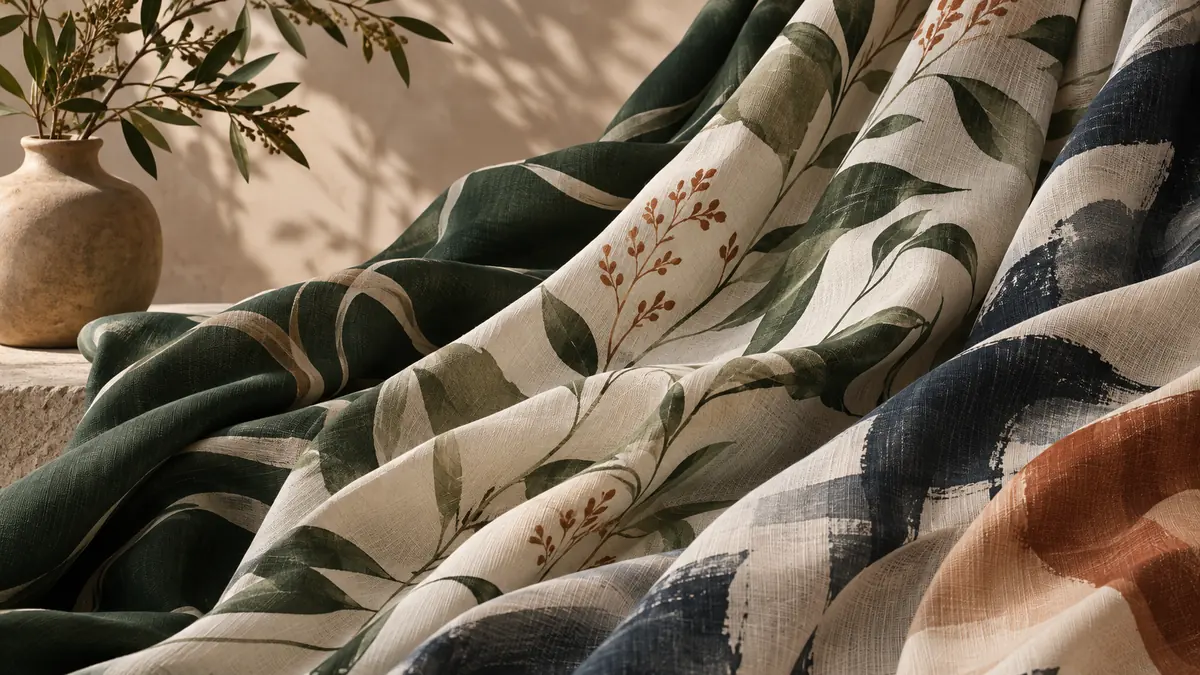
Start with the production fabric, the design and what the finished garment needs to do. A light polyester running top, a printed cotton shirt and a dress with a metallic motif may call for different processes. Check the fibre composition and the desired hand before choosing a sample. Digital fabric printing by the metre is available for projects where the fabric and artwork can be assessed together.
In conventional dye-sublimation, a design is printed onto transfer paper and moved to the fabric with heat. Epson’s guidance recommends white or light polyester for this process. The ground colour remains visible where no ink is printed. Check the actual base fabric for light shades, fine outlines and the repeat.
Digital pigment printing is one option for cotton and suitable blends. Pretreatment and fixing depend on the ink system, fabric and intended care. Examine dense areas and detail in the print, and compare the hand of printed and unprinted sections. Epson’s guide to digital textile printing explains the distinction between transfer and direct printing. See the cotton and polyester sample guide for different bases.
For a metallic design or a velvet-like texture, compare foil printing and flock printing. For a relief formed in the textile surface, consider embossing. Where an entire face or a second layer is being specified, consider the difference between coating and lamination.
Send both the artwork’s pixel dimensions and its physical repeat. A 2,400-pixel repeat printed at 20 cm has about 305 pixels per inch. At 40 cm the same file has about 152. Confirm the detail on a sample at production scale. Adobe’s explanation of resolution shows how pixel count and physical size relate.
Confirm usable print width and mark the repeat direction, placement or alignment requirements. If you are choosing from a collection rather than sending your own artwork, give the design name or code, colour variant and intended repeat size.
Use a sample from the actual production fabric and record the fabric lot and approved colour reference. View it in daylight and under light similar to the product’s end use. Inspect small motifs and broad colour areas separately. For stretch garments, check the design with the fabric relaxed, then stretched in the direction of wear, and after release. Agree any requirements for laundering, rubbing, perspiration or elasticity for the final use. ISO 20932-1 describes strip tests for fabric elasticity.
Send the full fibre composition, construction, weight, usable width, ground colour and estimated length. Add the artwork, the repeat size, the end use and the target date for an approved sample. When comparing quotes, ask which stages are included, such as fabric supply, preparation, sampling, printing and fixing. See the fabric sourcing service or contact Ünlü Group about production in Istanbul.
For a cotton production order, use our guide to digital pigment printing samples and quotes.
phone: +90 212 576 5250
fax: +90 212 493 0336
email: info@unlutransfer.com
Yenidoğan Mah. Eser Sok. No: 6-8
Bayrampaşa, 34030,
Istanbul / Turkey
TR 9150171175
Bayrampaşa Tax Office